
Sewer Backup Emergency: First Steps for Valley Homeowners
May 30, 2024 · 7 min read · By Red Eagle Plumbing
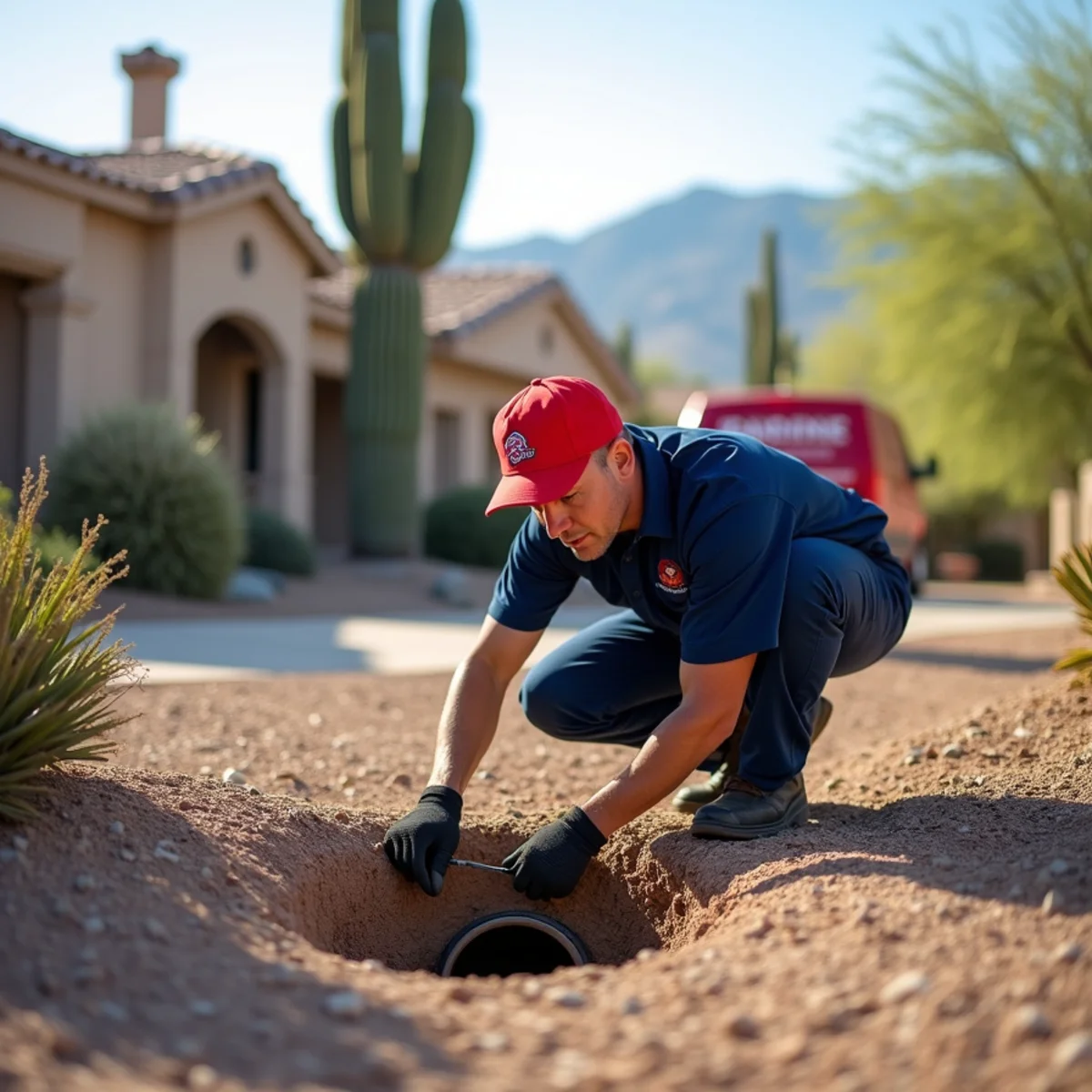
A sewer backup is a health hazard, not just a mess. Here is what to do first — and how to tell it is the main line, not a single clog.
Key Takeaways
- Stop using every fixture connected to the affected line immediately.
- Keep people and pets away — sewage is a genuine health hazard.
- Multiple fixtures backing up at once points to the main line, not a single clog.
- A camera inspection after clearing finds the real cause so it doesn't recur.
Few plumbing problems are as stressful — or as unsanitary — as a sewer backup. When sewage surfaces in tubs, showers, or floor drains, it signals a blockage in your main line, and it needs a fast, careful response to protect your home and your family’s health.
Step 1: Stop Using Water
Every fixture you run adds to the backup. Stop toilets, showers, sinks, the washing machine, and the dishwasher immediately. Ask everyone in the home to hold off on flushing or running water until the line is cleared.
Step 2: Keep People and Pets Away
Sewage carries bacteria and contaminants. Keep everyone out of the affected area, and avoid direct contact with the water. If you must be near it, wear gloves and wash thoroughly afterward.
Step 3: Document the Backup
Photograph the backup, any visible damage, the cleanout, and affected contents. Note when the backup began and which fixtures were in use. This helps both the diagnosis and any insurance or home-warranty claim, which you should report according to your policy’s instructions.
How to Know It Is the Main Line
A single slow drain is usually a local clog. A main-line problem shows a distinct pattern:
- Multiple fixtures back up at the same time.
- Toilets gurgle when you run a sink or the washing machine.
- The lowest drains in the house (often a shower or floor drain) flood first.
- Sewage odors appear indoors or near a yard cleanout.
If several fixtures are affected at once, do not keep running water hoping it clears — that only pushes more sewage into the home.
What Causes Sewer Backups in the Valley
Phoenix-area backups often come from root intrusion at pipe joints — desert landscaping sends roots toward the water in your sewer line — or from grease buildup, a low spot (belly) in the line, or a cracked or collapsed section. Older neighborhoods with clay or cast-iron laterals are especially prone to it.
That is why we camera-inspect the line after clearing a recurring backup. The camera shows the real cause so the repair actually lasts, and it tells us whether a trenchless repair is possible — a real advantage in Phoenix, where hard caliche soil makes open-trench digging slow and costly.
Red Eagle Plumbing prioritizes sewer backups and dispatches 24/7. We clear the immediate backup first, then diagnose and lay out your options with honest pricing.
What a Camera Inspection Actually Reveals
Homeowners are often surprised by what we find when we run a camera down a sewer line after a backup. The three most common causes in Phoenix are root intrusion, a belly, and a cracked or collapsed section — and each calls for a different fix, which is exactly why guessing is expensive.
Roots are the classic valley problem. Older clay and cast-iron laterals crack at the joints, and thirsty desert landscaping sends roots straight toward the water inside. Once roots are in, they trap debris and rebuild the blockage on a predictable schedule until the joint is repaired or the line is relined.
A belly — a low spot where the pipe has sagged — holds water and waste that never fully clears, so backups keep returning no matter how often the line is snaked. The camera shows us which problem you actually have, and whether trenchless pipelining can solve it without tearing up your yard and Phoenix's hard caliche soil.
How to Prevent the Next Sewer Backup
Once a backup is cleared, the goal is making sure it does not happen again. Most repeat backups trace to a handful of causes you can get ahead of.
- Have the line camera-inspected after clearing to identify roots, a belly, or a crack
- Keep wipes, hygiene products, grease, and food scraps out of drains entirely
- Consider root treatment or a spot repair if the camera finds intrusion at a joint
- Locate your outside cleanout so future clearing is faster and cheaper
For homes with mature desert landscaping over older clay or cast-iron laterals, roots are the usual repeat offender, and a one-time repair at the affected joint often ends years of recurring backups. If the camera shows a belly or a collapsed section, trenchless pipelining can fix it without tearing up the yard — a real advantage in Phoenix caliche. The point is simple: clearing treats the symptom, but the camera tells you what it takes to stop it for good.
The Bottom Line for Phoenix Homeowners
A sewer backup is one of the few plumbing problems that's both a mess and a genuine health hazard, so the priority is simple: stop using water, keep everyone away from the sewage, and get it cleared quickly.
We prioritize backups and dispatch 24/7, clearing the line first and then running a camera to find the real cause so it doesn't happen again. If sewage is backing up in your home right now, call us — we'll get someone moving and talk you through protecting your home in the meantime.
What These Services Cost in Phoenix
Here are researched Phoenix ranges for the services related to this article, so you can plan before you call.
| Service | Typical Phoenix Range |
|---|---|
| Sewer Lines | $1,000 – $5,000+ |
| Drain Cleaning | $150 – $450 |
| Emergency | $145 – $285 / hr |
Educational ranges from published Phoenix sources — not a quote. Final cost depends on access, urgency, permits, equipment, and repair scope. Every job gets a written estimate.