
7 Signs You Have a Hidden Slab Leak in Your Phoenix Home
April 25, 2024 · 6 min read · By Red Eagle Plumbing
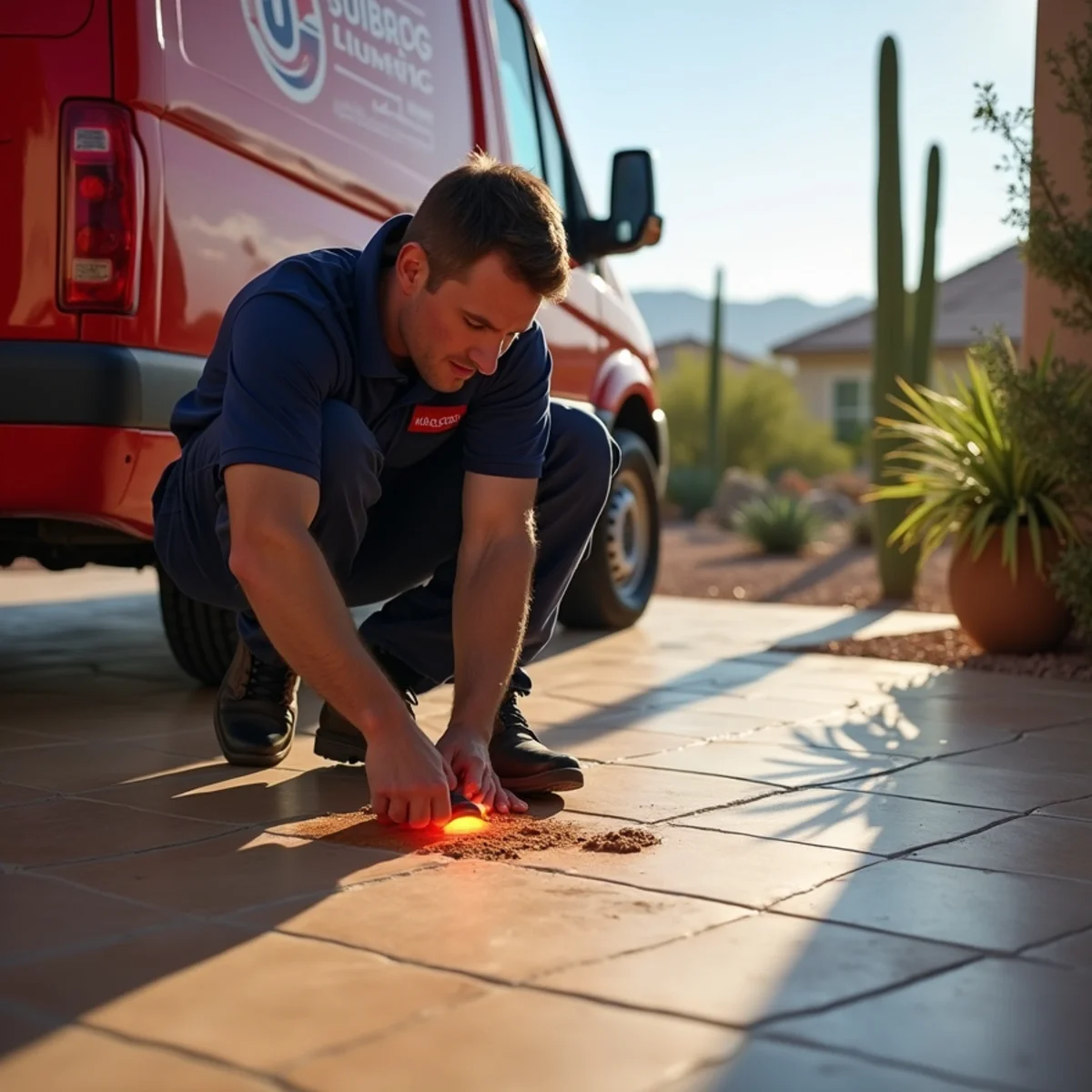
Slab leaks hide under your foundation. These seven warning signs help you catch one early — before it wrecks your floors.
Key Takeaways
- Warm floor spots, running-water sounds, and unexplained bill spikes are top signs.
- A meter that moves with everything off is a strong leak indicator.
- Slab-on-grade Phoenix homes are especially prone to slab leaks.
- Early detection keeps the repair small — act on the first signs.
A slab leak is a failed water line running in or under your concrete foundation. Because it is hidden, it can waste water and damage your home for weeks before you notice. Catching it early keeps the repair small — so here are the seven signs Phoenix homeowners should watch for.
1. Warm Spots on the Floor
A leak on the hot-water line under the slab can warm a patch of flooring. If one area of tile or wood feels noticeably warm for no reason, that is a classic slab-leak clue.

2. The Sound of Running Water
If you hear water running when every fixture is off, water may be escaping under the slab. It is one of the most reliable early warnings.

3. An Unexplained Spike in Your Water Bill
A sudden jump in your bill without a change in usage means water is going somewhere it should not. A slab leak runs continuously, so it shows up on the meter.

4. A Drop in Water Pressure
When water escapes before it reaches your fixtures, pressure falls. A noticeable, unexplained drop throughout the home can point to a slab leak.
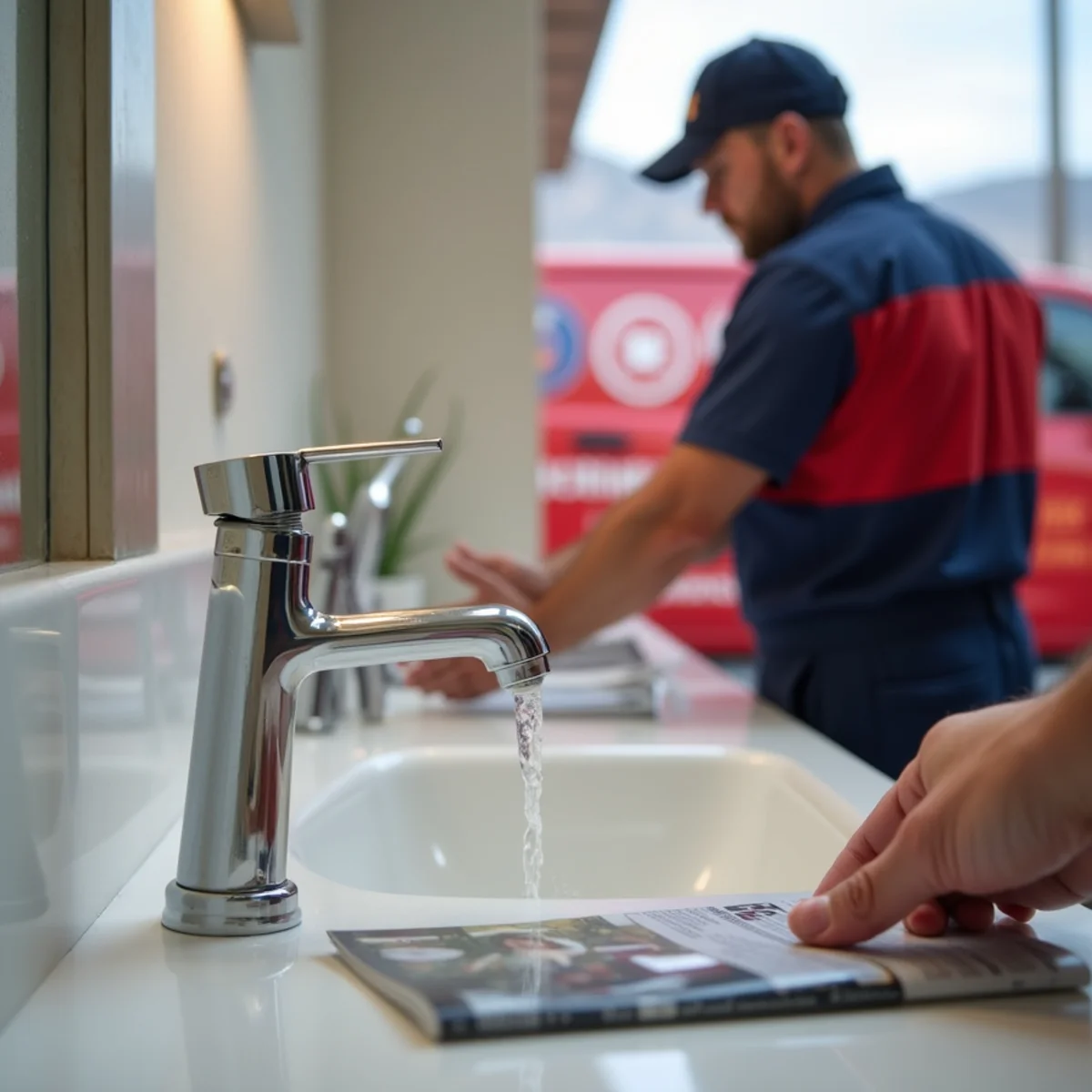
5. Damp or Warped Flooring
Damp carpet, warped wood, or lifting tile over the slab can signal moisture rising from a leak below.
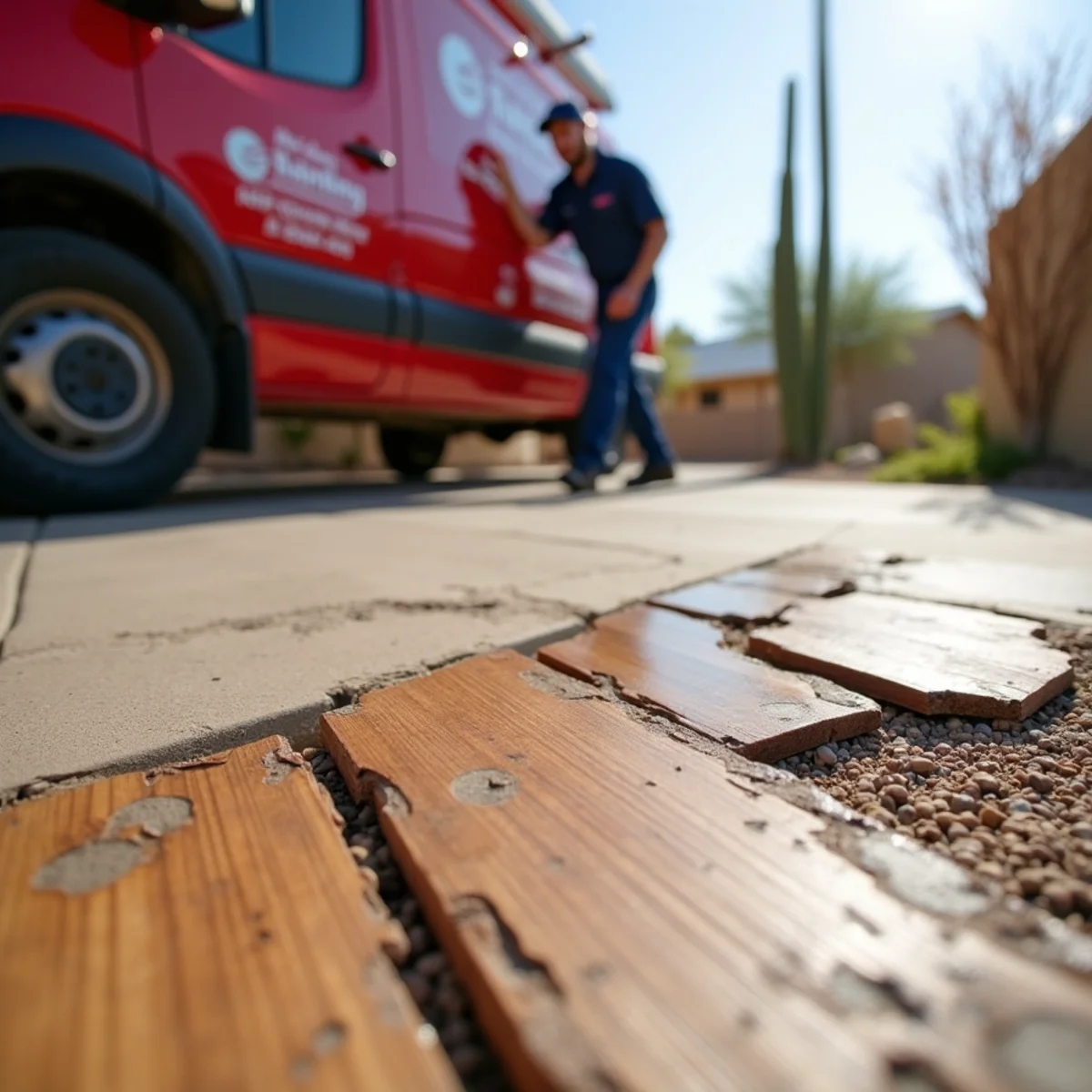
6. Musty Smells or Mold
Persistent moisture under flooring or in cabinets can create musty odors and mold — a sign water has been present for a while.
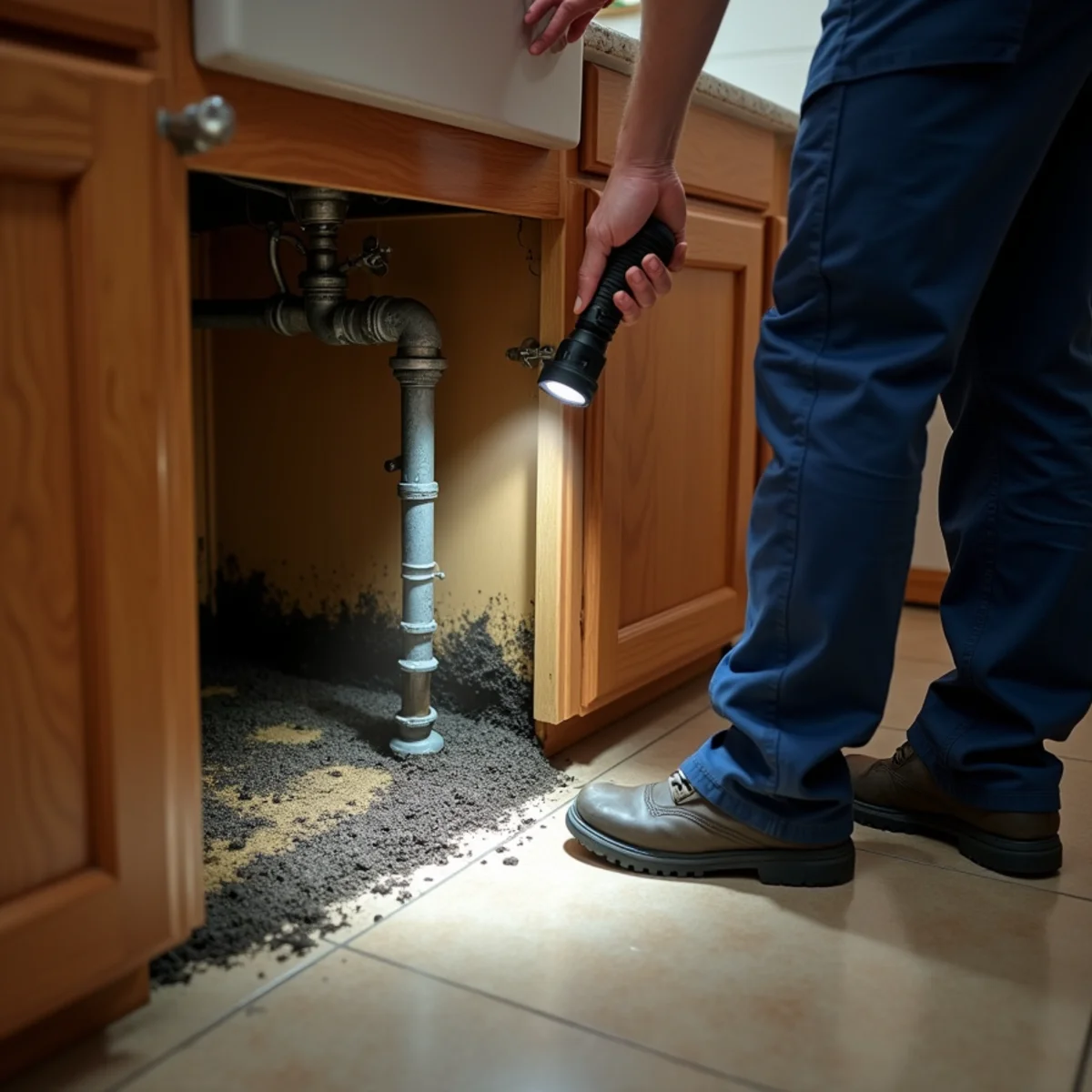
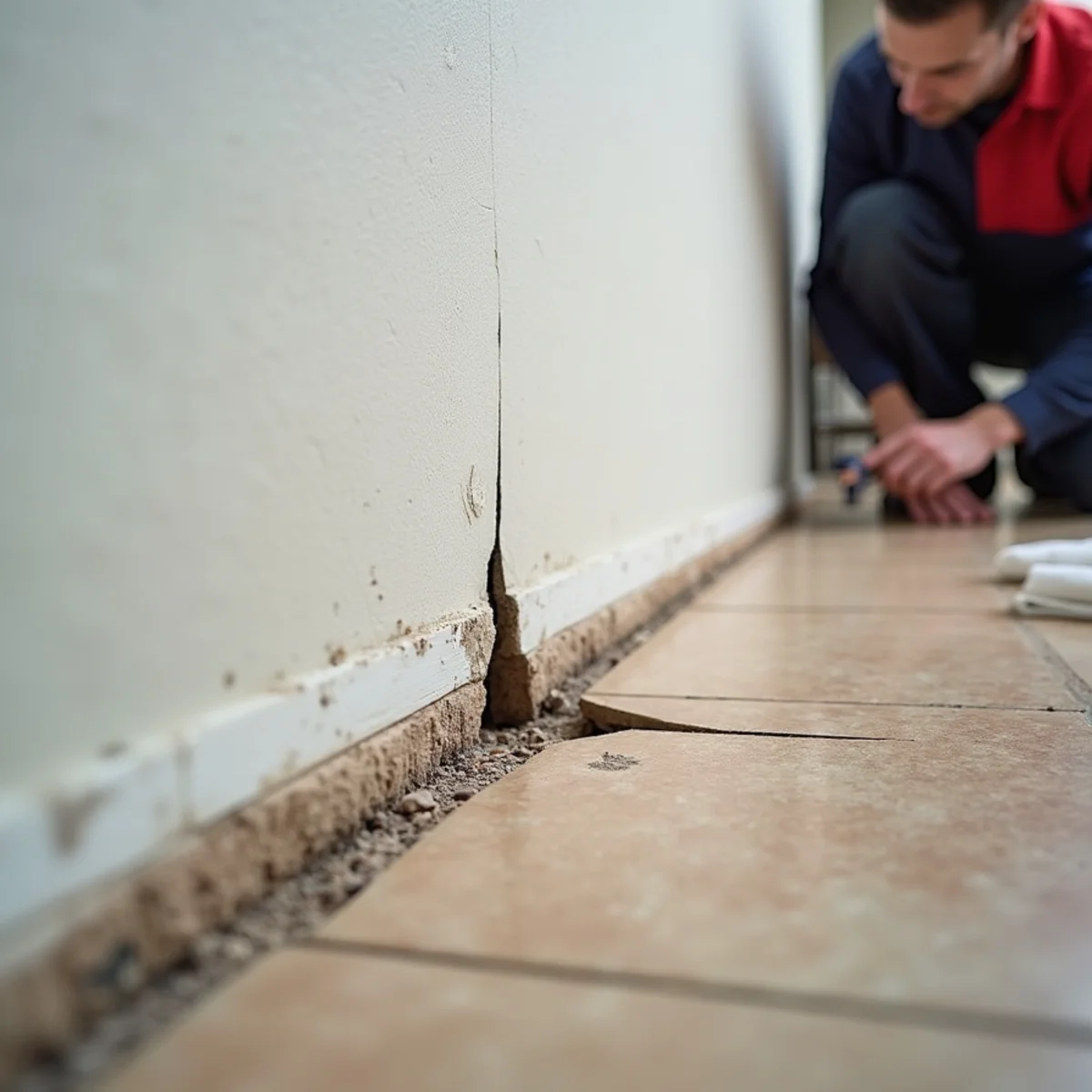
7. Cracks in Flooring or Walls
Over time, a slab leak can undermine the foundation, leading to new cracks in flooring or walls. This is a later-stage sign and a reason to act quickly.
Quick test: shut off every fixture and check your water meter. If the dial still moves, water is escaping somewhere — often a slab leak.
Why Phoenix Homes Are Prone to Slab Leaks
Most valley homes are slab-on-grade, with copper lines run through the foundation. Hard water wears those lines from the inside while soil movement stresses them from the outside. Older neighborhoods in Mesa, Scottsdale, and central Phoenix see slab leaks most, but any slab home can develop one.
Red Eagle Plumbing locates slab leaks precisely with electronic equipment before opening any concrete, then helps you decide between a targeted repair and rerouting the line above the slab.
Why Phoenix Homes Are Slab-Leak Prone
Slab leaks aren't bad luck — they're a predictable outcome of how valley homes are built and what runs through our pipes. The vast majority of Phoenix homes are slab-on-grade, with copper water lines routed in or beneath the concrete foundation. That's efficient construction, but it means a failing line leaks where you can't see it.
Two forces wear those lines out. Hard water abrades and corrodes copper from the inside, while normal soil movement stresses the pipe from the outside. Add a few decades and you get the slab leaks we see most in older Mesa, Scottsdale, and central Phoenix neighborhoods.
The takeaway for homeowners is simple: because the leak is hidden, the early signs are your only warning. A warm patch of floor, the sound of water with everything off, or a bill that jumped for no reason are worth acting on immediately. Caught early, a slab leak is a targeted repair; ignored, it undermines flooring and feeds mold.
What to Do the Moment You Suspect a Slab Leak
If several of the warning signs line up, a few quick steps confirm the problem and limit the damage while you arrange detection.
- 1Run the meter test: shut off every fixture and check whether the meter still moves
- 2Note which signs you are seeing and when they started, for the technician
- 3If a hot-water line is suspected (warm floor), you can shut off the water heater to confirm
- 4Call for professional electronic detection before opening any concrete
- 5Avoid jackhammering on a guess — precise location keeps the repair small
The instinct to “just open the floor and find it” is exactly what makes slab-leak repairs expensive. Acoustic and pressure equipment pinpoints the leak first, so any opening is small and targeted — or so we can reroute the line above the slab entirely. Acting at the first warm-floor or bill-spike sign, rather than waiting for buckled flooring, is what separates a modest repair from a major one.
The Bottom Line for Phoenix Homeowners
A slab leak hides under your foundation, so the subtle early signs — a warm floor, a running-water sound, an unexplained bill — are your only warning. Acting on them early is the difference between a targeted repair and major flooring and foundation damage.
If any of these signs sound familiar, run the meter test and then call us for professional detection. We pinpoint the leak before opening any concrete, so the repair stays as small as possible.
What These Services Cost in Phoenix
Here are researched Phoenix ranges for the services related to this article, so you can plan before you call.
| Service | Typical Phoenix Range |
|---|---|
| Slab Leaks | $1,500 – $4,500 |
| Leak Detection | $200 – $600 |
Educational ranges from published Phoenix sources — not a quote. Final cost depends on access, urgency, permits, equipment, and repair scope. Every job gets a written estimate.
Related Plumbing Services
Serving Mesa, Scottsdale and the greater Phoenix area.