
Slab-on-Grade Homes: The Phoenix Slab Leak Problem
May 18, 2024 · 6 min read · By Red Eagle Plumbing
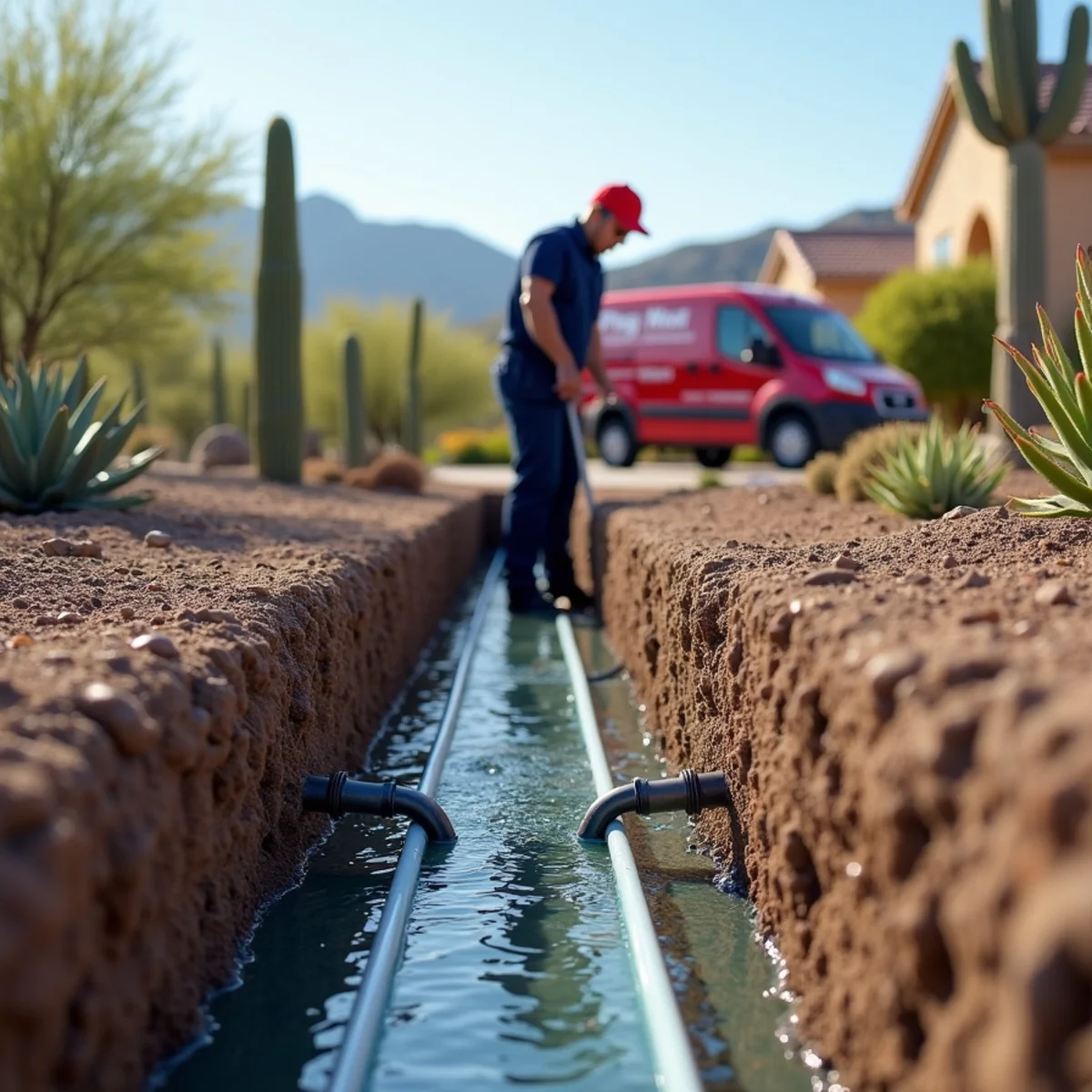
Almost every Phoenix home is built slab-on-grade — and that construction is exactly why slab leaks are so common here. Here is what it means for you.
Key Takeaways
- Nearly all valley homes are built slab-on-grade.
- Water lines run in or under the concrete foundation.
- Hard water and soil movement wear those lines into slab leaks.
- Options are spot repair, reroute above the slab, or repipe.
If you own a home in the Phoenix valley, it was almost certainly built slab-on-grade — poured directly on a concrete foundation with no basement or crawl space. It is the standard way to build in the desert, and it works well. But it also creates a specific plumbing vulnerability: the slab leak.
What Slab-on-Grade Means for Your Pipes
In a slab-on-grade home, water supply lines often run in or beneath the concrete foundation. That is efficient to build, but it means a pipe failure happens under the slab, where you cannot see it and cannot easily reach it. Compare that to a home with a basement, where a leaking pipe is visible and accessible.
Why the Pipes Fail
- Hard water: at 10.9–16.2 grains per gallon, Phoenix water wears copper lines from the inside.
- Soil movement: the valley’s clay and caliche soils shift with moisture, stressing buried pipe.
- Age: many valley homes are now decades old, and their original copper is reaching the end of its service life.
- Abrasion: pipes moving against concrete or rebar can wear thin over time.
A slab leak is not a sign you did anything wrong — it is a predictable outcome of decades of hard water and soil movement on slab-routed pipe.
How Slab Leaks Show Up
Because the leak is hidden under concrete, the signs are indirect: a warm spot on the floor, the sound of running water with everything off, an unexplained water-bill spike, a drop in pressure, or damp flooring. Catching these early keeps the repair small.
Your Repair Options
Once a slab leak is precisely located, there are generally three paths:
- 1Spot repair: open a small, targeted section of the slab to repair the failed pipe. Best for an isolated failure on otherwise sound piping.
- 2Reroute: abandon the failed under-slab section and run a new line above the slab, so it never leaks under the foundation again.
- 3Repipe: replace the failing system when the pipe has leaked before or is near the end of its life.
The right choice depends on the pipe’s condition and the leak’s location. Red Eagle Plumbing pinpoints the leak first, then walks you through the honest trade-offs so you are not jackhammering more concrete than necessary.
What Slab-on-Grade Means When a Pipe Fails
Slab-on-grade construction is the desert standard, and for good reason — it's efficient and stable in our soil. But it creates one specific vulnerability: the water supply lines run through the concrete foundation, so when a line fails, it fails where you can't see or easily reach it.
Compare that to a home with a basement, where a leaking pipe is visible and accessible. Under a slab, the same leak hides for weeks, showing up only as a warm floor, a running-water sound, or an unexplained bill. That hidden nature is exactly why early signs matter so much in Phoenix homes.
When a slab leak is confirmed and precisely located, you generally have three paths: a targeted spot repair for an isolated failure, a reroute of the line above the slab so it never leaks under the foundation again, or a repipe when the system is aging. The right choice depends on the pipe's condition — and on locating the leak accurately first, so no more concrete is opened than necessary.
Spot Repair, Reroute, or Repipe: Comparing Your Options
When a slab leak is confirmed and located, you generally have three paths. The right one depends on the pipe’s condition and how many times it has leaked.
- Spot repair: open a small, targeted section of slab to fix the failed pipe — best for an isolated leak on otherwise sound piping
- Reroute: abandon the failed under-slab run and route a new line above the slab — so it never leaks under the foundation again
- Repipe: replace the failing system when the pipe is aging or has leaked before — ends the cycle entirely
A single leak on newer, sound piping is a straightforward spot repair. But if the line is older or has leaked more than once, opening the slab again and again gets expensive fast — which is when a reroute or repipe becomes the smarter long-term choice. We locate the leak precisely first, then lay out the honest trade-offs so you are choosing with full information, not guessing.
The Bottom Line for Phoenix Homeowners
Slab-on-grade construction is the desert standard, but it means plumbing failures happen where you can't see them. Understanding that is what helps Phoenix homeowners act on the early signs of a slab leak before it undermines the home.
When a slab leak is confirmed, we locate it precisely and walk you through spot repair, reroute, and repipe honestly. Call us for detection at the first warning sign — the earlier we find it, the smaller and cheaper the fix.
What These Services Cost in Phoenix
Here are researched Phoenix ranges for the services related to this article, so you can plan before you call.
| Service | Typical Phoenix Range |
|---|---|
| Slab Leaks | $1,500 – $4,500 |
| Leak Detection | $200 – $600 |
Educational ranges from published Phoenix sources — not a quote. Final cost depends on access, urgency, permits, equipment, and repair scope. Every job gets a written estimate.
Related Plumbing Services
Serving Mesa, Maricopa County and the greater Phoenix area.